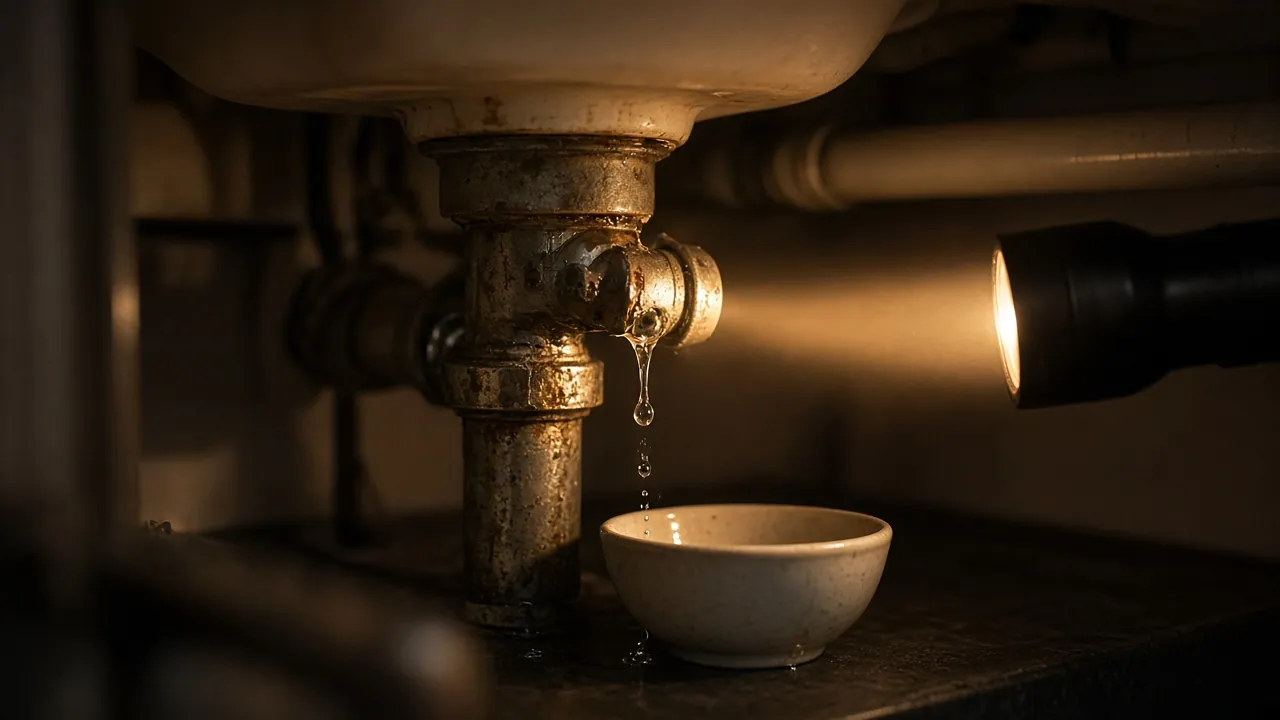
Water leaks in your home can lead to significant damage, increased utility bills, and costly repairs. Recognizing and addressing leaks promptly is important for maintaining both the structural integrity of your home and its energy efficiency. In this guide, you'll learn practical DIY leak detection methods to identify and fix common water wasters before they turn into expensive problems.
From simple visual inspections to advanced detection techniques, we've compiled a full list of tips and tricks to help you detect leaks in various areas of your home. Whether it's a dripping faucet or a hidden pipe burst, our guide will provide the knowledge and steps needed to address these issues effectively. Join us as we explore the importance of leak detection, how to identify signs of leaks, and the best practices for preventive maintenance.
Understanding the Importance of Leak Detection
Water leaks are a silent yet significant threat to your home's integrity and your finances. The U.S. Environmental Protection Agency (EPA) estimates that leaks can waste thousands of gallons annually, equivalent to washing hundreds of loads of laundry. This wasted water increases utility bills and has a considerable impact on environmental conservation.
Regular leak detection is important for conserving water resources and reducing the environmental footprint of excessive water use. The "Fix a Leak Week" campaign, promoted annually by the ASPE, encourages homeowners to take 10 minutes to find and fix leaks in their homes. This initiative is part of broader efforts to raise awareness about water conservation.
Ignoring leaks can have severe consequences. An average American home can waste more than 10,000 gallons of water annually due to leaks. Promptly addressing leaks prevents unnecessary water loss, preserves local water resources, and supports initiatives like Fix a Leak Week.
Understanding the importance of leak detection is fundamental for maintaining an efficient and environmentally responsible home. It leads to significant savings in financial costs and environmental impact.
Identifying Signs of Leaks
One of the initial steps in identifying leaks is to monitor your water bill closely. An unexpected rise in usage, particularly if your habits haven't changed, may signal a leak. For example, during winter months, if a family of four consumes more than 12,000 gallons of water per month, it could be an indication of a leak (Source: ASPE Pipeline).
Another straightforward method to detect leaks is by examining common areas in your home. Look for signs such as dripping faucets, running toilets, or wet spots on floors and ceilings. These indicators can suggest leaks that are wasting water and potentially causing damage over time.
Inspecting the toilet tank is especially important. Signs of leaks within the tank include a rising water level, cracks in the porcelain, or a worn-out flapper—the component responsible for controlling the flow of water into the bowl. A faulty flapper can permit continuous leakage from the tank to the bowl, resulting in substantial waste (Source: ASPE Pipeline).
Outdoor irrigation systems should also be examined for moisture, as this can signify leaks in underground pipes. These leaks are not only wasteful but can also lead to expensive repairs if left unnoticed.
The WaterSense program recommends a 10-minute toilet test as a practical method. Add a few drops of food coloring to the tank at the back of the toilet and wait 10 minutes without flushing. If any colour appears in the bowl, it indicates a leak (Source: ASPE Pipeline). Regular checks like these can assist in identifying leaks early, preventing them from becoming costly issues.
DIY Leak Detection Methods
To effectively identify leaks in your home, it is essential to use practical methods that do not require specialised tools or extensive training. One such method involves reading your water meter when no water is being used and checking if it changes after two hours (ASPE Pipeline, 2021).
Another DIY test focuses on the toilet, which is often a significant source of leaks in homes. To perform this test, add a few drops of food coloring to the tank at the back of the toilet and wait for ten minutes. If you notice any colour in the bowl after this time, it indicates that the flush valve or flapper may be leaking (ASPE Pipeline, 2021).
For more subtle leaks, such as those in pipes or appliances not easily visible, a listening device can be an invaluable tool. Devices like an audio leak detector can help locate leaks that are not audible to the naked ear, making it easier to pinpoint and repair them (Stanford Researchers, 2020).
In summary, DIY leak detection methods include:
- Reading the Water Meter: Check the water meter after two hours of no water use to identify potential leaks.
- Toilet Test: Use food coloring in the toilet tank to detect leaks within the bowl.
- Listening Devices: Use audio tools to detect leaks that are not visible or audible to the naked ear.
These methods can significantly contribute to identifying and fixing leaks before they become costly problems, promoting both water conservation and financial savings for homeowners (ASPE Pipeline, 2021).
Common Leak Locations and Their Fixes
One of the most common sources of leaks in a home is the faucet. Dripping faucets are often caused by worn-out washers, which can be easily replaced to stop the leak.
In the case of toilets, worn-out flappers or cracks in the tank are common culprits for leaks. WaterSense challenges homeowners to take 10 minutes during Fix a Leak Week to check for and repair these issues, noting that an average household may waste over 10,000 gallons of water annually due to leaks.
Don't overlook showers as potential leak sources. This proactive step can significantly reduce water usage in the bathroom and contribute to overall water conservation efforts.
Replacing Washers and Flappers
To replace a washer in a faucet: 1. Turn off the water supply to the faucet. 2. Remove the faucet handle and unscrew the packing nut. 3. Remove the old washer and insert a new one of the same size. 4. Reassemble the faucet and turn on the water supply.
For replacing a flapper in a toilet: 1. Turn off the water to the toilet. 2. Flush the toilet until the tank is empty. 3. Remove the tank lid and lift out the old flapper. 4. Clean the seat of the flush valve and install a new flapper.
Advanced Leak Detection Techniques
Advanced Leak Detection Techniques often involve sophisticated tools and methods to locate leaks that are not visible or accessible through basic inspection. One such technique, developed by Stanford researchers, offers a recent approach to detecting underground water leaks.
The research team, led by Daniel Tartakovsky, a professor of energy resources engineering at Stanford’s School of Earth, Energy & Environmental Sciences (Stanford Earth), has proposed a novel method for interpreting data from pressure sensors. This technique is particularly effective for identifying leaks in large transmission networks, which could be applied to water utilities and industries with extensive underground infrastructure.
The new approach focuses on the phenomenon known as "water hammer," which occurs when there's a sudden change in the water flow due to a valve closure or pump shutdown. The resulting pressure fluctuations can provide valuable information about potential leaks. Tartakovsky and his colleague Abdulrahman Alawadhi from the University of California, San Diego, have developed algorithms that analyse these pressure changes to detect leaks with greater accuracy.
This advanced technique is beneficial for water utilities and for other industries that rely on pressure sensors for leak detection, such as oil and natural gas transmission networks. By applying this method, leaks can be identified swiftly and accurately, potentially saving billions of gallons of water and reducing environmental impacts.
Implementing such advanced techniques requires specialised equipment and expertise. However, the benefits of early leak detection are significant, including cost savings on utility bills and a reduction in water waste. WaterSense programs and similar initiatives encourage homeowners to take proactive measures in detecting leaks, emphasizing that even simple steps can lead to substantial water conservation efforts. For those with access to advanced tools and technologies, the potential for improved leak detection is a valuable asset in maintaining efficient water systems.
Preventive Maintenance Tips
Regular maintenance is essential to prevent leaks from escalating into costly issues. Start by conducting routine checks of all plumbing fixtures, such as faucets, showerheads, and toilets, which are common sources of unnoticed leaks. The U.S. Implementing these actions now can prevent substantial future costs.
The WaterSense program recommends using products with their label, which are independently certified to use at least 20 percent less water while maintaining or improving performance (source: WaterSense Program Encourages Homeowners to Join Fix a Leak Week and Save Water).
Outdoor irrigation systems should be monitored closely to avoid overwatering and potential leaks. Regularly inspect sprinklers for proper alignment and function to maintain an efficient watering schedule.
- Check for signs of moisture or dampness on floors or walls near plumbing fixtures.
- Inspect toilet tanks for cracks or worn-out parts, such as the flapper valve.
- Listen for dripping sounds when no water is being used, which may indicate a leak.
By following these preventive maintenance tips, you can significantly reduce the likelihood of leaks and their associated costs. Early detection and timely repair are important to preserving your home’s plumbing system and protecting your financial resources.
Checklist for Leak Detection
To ensure your home remains free from costly leaks, maintain a diligent leak detection routine with the following checklist:
- Review Your Monthly Water Bill: Begin by examining your monthly water bill for any unusual increases. An unexpected rise in usage can be an early sign of a leak. According to the U.S. Environmental Protection Agency (EPA), fixing household leaks conserves water and can save nearly 10 percent on water and sewer bills (source).
- Inspect Faucets, Toilets, Showerheads, and Irrigation Systems: Regularly inspect all faucets, toilets, showerheads, and outdoor irrigation systems for signs of leaks or wear. Look for drips, corrosion, or any changes in water pressure that might indicate a leak.
- Perform a Toilet Test with Food Coloring: Once a month, perform a simple toilet test to detect hidden leaks. Add a few drops of food coloring into the tank at the back of the toilet and wait 10 minutes. If the colour appears in the bowl without flushing, you likely have a leak (source).
- Listen for Unusual Sounds: Pay attention to any unusual sounds such as dripping or hissing, which may indicate hidden leaks. These noises can come from pipes behind walls or in the attic and are often signs that water is escaping.
- Check Water Meters: Read your water meter during a period when no water is being used. If the reading is not the same after two hours, it could suggest a leak (source).
By following this checklist, you can proactively identify and address common water wasters in your home before they turn into expensive problems. Regular maintenance conserves water and helps to preserve vital resources and saves on utility costs.
Your next steps
Checklist for Leak Detection
- Regularly Check Utility Bills: Compare monthly water usage to identify unusual spikes that could indicate leaks.
- Inspect High-Risk Areas: Regularly examine the toilet, faucets, and pipes in the basement or crawl space for signs of moisture or mould.
- Use Leak Detectors: Consider using ultrasonic leak detectors or thermal imaging cameras for more accurate detection in hard-to-reach places.
- Maintain Plumbing Fixtures: Regularly check and tighten all faucets, showerheads, and valves to prevent dripping and leaks.
- Implement Leak Prevention Strategies: Follow the preventive maintenance tips outlined earlier to reduce the risk of future leaks.
Sources
- aspe.org/pipeline/watersense-challenges-homeowners-to-take-10-minutes-to-find-and-fix-a-leak-this-week
- aspe.org/pipeline/watersense-program-encourages-homeowners-to-join-fix-a-leak-week-and-save-water
Facts, prices and links checked on 18 October 2026. Prices and features change, so confirm on the official pages before you decide.